

Assyrian Culture & Identity
The three pillars of Assyrian identity: language, faith, and tradition
Assyrian identity rests on three inseparable pillars: a 3,000-year-old language descended from the Aramaic of Jesus Christ, a Christian faith dating to the 1st century AD, and a living body of traditions, music, and cuisine carried across continents by a stateless people. This page explores each in turn - what it sounds like, what it celebrates, and how it survives.
Language
A 3,000-year-old tongue still spoken in homes worldwide
Faith
One of Christianity's oldest continuous traditions, since the 1st century
Traditions
Kha b-Nisan, Khigga, and a cuisine carried across the diaspora
The Voice of Our Ancestors
Modern Assyrians speak Assyrian Neo-Aramaic, also known as Suret, a direct descendant of the Aramaic language spoken by Jesus Christ over 2,000 years ago. This linguistic connection to one of history's most significant figures is a source of immense cultural pride and religious significance.
Endangered Language
Today, Assyrian Neo-Aramaic is classified by UNESCO as a definitely endangered language, with several of its dialects considered severely endangered. As younger generations grow up speaking the languages of their host countries, the urgency to preserve this linguistic inheritance has never been greater, and the responsibility falls to families, churches, and communities, not governments.
Preservation Efforts
Assyrian communities worldwide have established language schools, published educational materials, and created digital resources to teach children their ancestral tongue. Churches, cultural centers, and families work tirelessly to ensure this ancient language, with roots stretching back over 3,000 years, survives for future generations.
The Living Dialects
Assyrian Neo-Aramaic exists today as a family of related dialects rather than a single uniform language:
Suret (Sureth)
Spoken by Assyrians of the Church of the East and the Chaldean Catholic Church, primarily across Iraq, Iran, and the global diaspora.
Chaldean
A closely related variety spoken by Assyrians of the Chaldean Catholic communities, mutually intelligible with Suret.
Turoyo
Spoken by Syriac Orthodox communities originating in Tur Abdin (southeastern Turkey), now mostly in diaspora.
Liturgical Syriac
Used in church services across all denominations; a separate, classical form of Aramaic that connects worshippers to the language's ancient written tradition. Once spoken aloud throughout the liturgy, it is now used more sparingly in public worship as fluency beyond the clergy continues to fade.
Shlama
ܫܠܵܡܵܐ
Peace / Hello
Baseema
ܒܲܣܝܼܡܵܐ
Thank you
Khona
ܚܘܿܢܵܐ
Brother
Khatha
ܚܵܬ݂ܵܐ
Sister
Push b'shayna
ܦܘܼܫ ܒܫܲܝܢܵܐ
Goodbye
Jwanqa
ܓ̰ܘܲܢܩܵܐ
Beautiful
Khabbusha
ܚܲܒܘܼܫܵܐ
Apple
Bayta
ܒܲܝܬܵܐ
House
Shirsha
ܫܸܪܫܵܐ
Root / Origin
Tura
ܛܘܼܪܵܐ
Mountain
Nahra
ܢܲܗܪܵܐ
River
Nura
ܢܘܼܪܵܐ
Fire
Shmayya
ܫ̈ܡܲܝܵܐ
Sky / Heavens
Kawkhwa
ܟܲܘܟ݂ܒ݂ܵܐ
Star
Sahra
ܣܲܗܪܵܐ
Moon
Shemsha
ܫܸܡܫܵܐ
Sun
Foundation of Faith
Home to one of the world's oldest continuous Christian communities, dating to the 1st century AD
Christianity is not merely a religion for Assyrians. It is inseparable from their identity. According to ancient tradition, Christianity was brought to Assyria in the 1st century AD by the Apostles Thomas, Thaddeus (Addai), and Mari, making the Church of the East one of the world's oldest continuous Christian institutions. Through centuries of persecution, displacement, and dispersal, faith has remained the thread holding scattered Assyrian communities together.
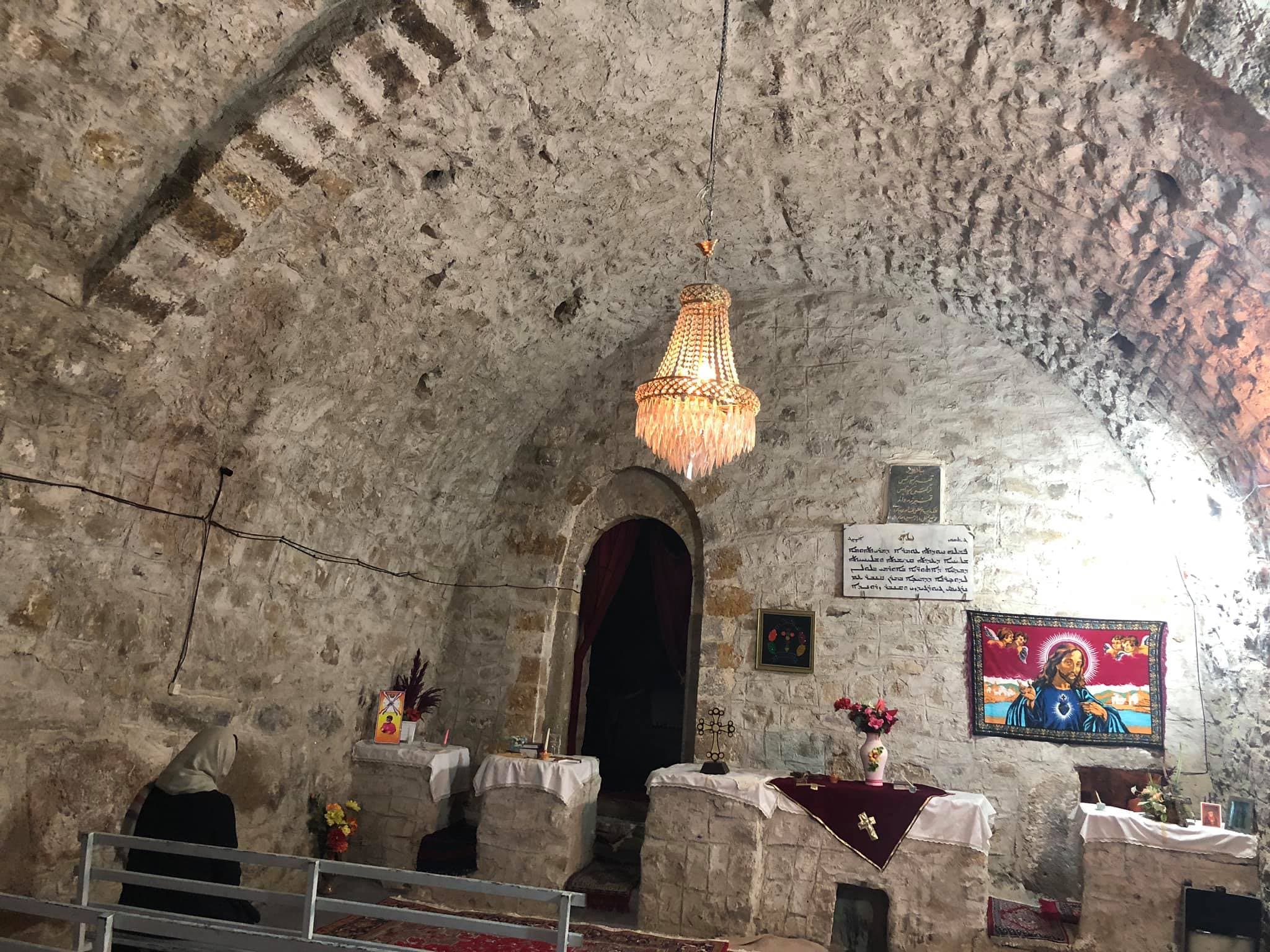
Church Denominations
Assyrian Church of the East
Ancient apostolic church with traditions dating to the 1st century
Chaldean Catholic Church
Eastern Catholic church in full communion with Rome
Syriac Orthodox Church
Oriental Orthodox tradition with rich liturgical heritage
Syriac Catholic Church
Eastern Catholic church with Syriac liturgy
Protestant Denominations
Various Evangelical and Reformed traditions
Traditions & Celebrations
Kha b-Nisan
Assyrian New Year - April 1st
Kha b-Nisan, meaning "First of Nisan" (the first month of the ancient Assyrian calendar), is the most important national celebration for the Assyrian people. Falling on April 1st each year, it marks the beginning of spring, the renewal of nature, and the start of the Assyrian year - currently year 6776 in the Assyrian calendar (as of 2026).
The festival traces its origins to the ancient Akitu celebrations of Mesopotamia, observed for over 4,000 years. Modern Assyrians celebrate worldwide with parades, traditional dress, music, the Khigga dance, family picnics, and cultural events that pass heritage to the next generation.
Religious Holidays
Christmas (Eedda Zora) and Easter (Eedda Gora) are the two pillars of the Assyrian religious calendar, alongside Lent (Sawma Rabba) and Epiphany (Denkha). Each is observed with liturgies in classical Syriac, candlelit processions, and centuries-old hymns rooted in the earliest Mesopotamian church traditions.
At home, these holy days are marked by kleicha (date-filled cookies), midnight Mass on Christmas Eve, and the breaking of the Lenten fast with family feasts. Mesopotamian customs blend with Christian observance - most vividly in Nusardel, a summer water festival tied to the Transfiguration.
Music & Dance
The Khigga is the most beloved Assyrian dance - a circle or line dance performed at weddings, festivals, and community gatherings. Dancers join hands and move in step to traditional rhythms, led by a head dancer who waves a handkerchief or yalekhta.
Traditional Assyrian music features instruments such as the zurna (a double-reed wind instrument), the davula (large drum), and the kamancheh (a bowed string instrument), accompanied by vocals in Assyrian Neo-Aramaic. Modern Assyrian artists have carried this musical tradition into pop, folk, and contemporary genres performed worldwide.
Culinary Heritage
Traditional dishes that tell the story of our people
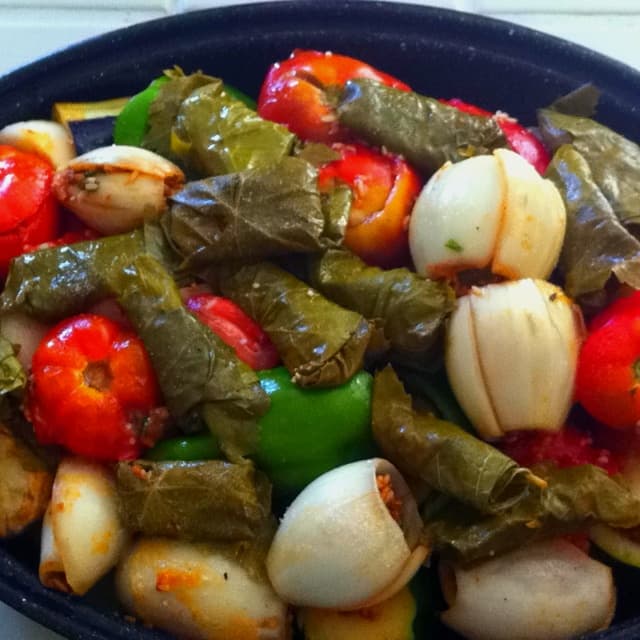
Dolma
Grape leaves and vegetables stuffed with rice, meat, and herbs, slow-simmered with a distinctive Assyrian tang.
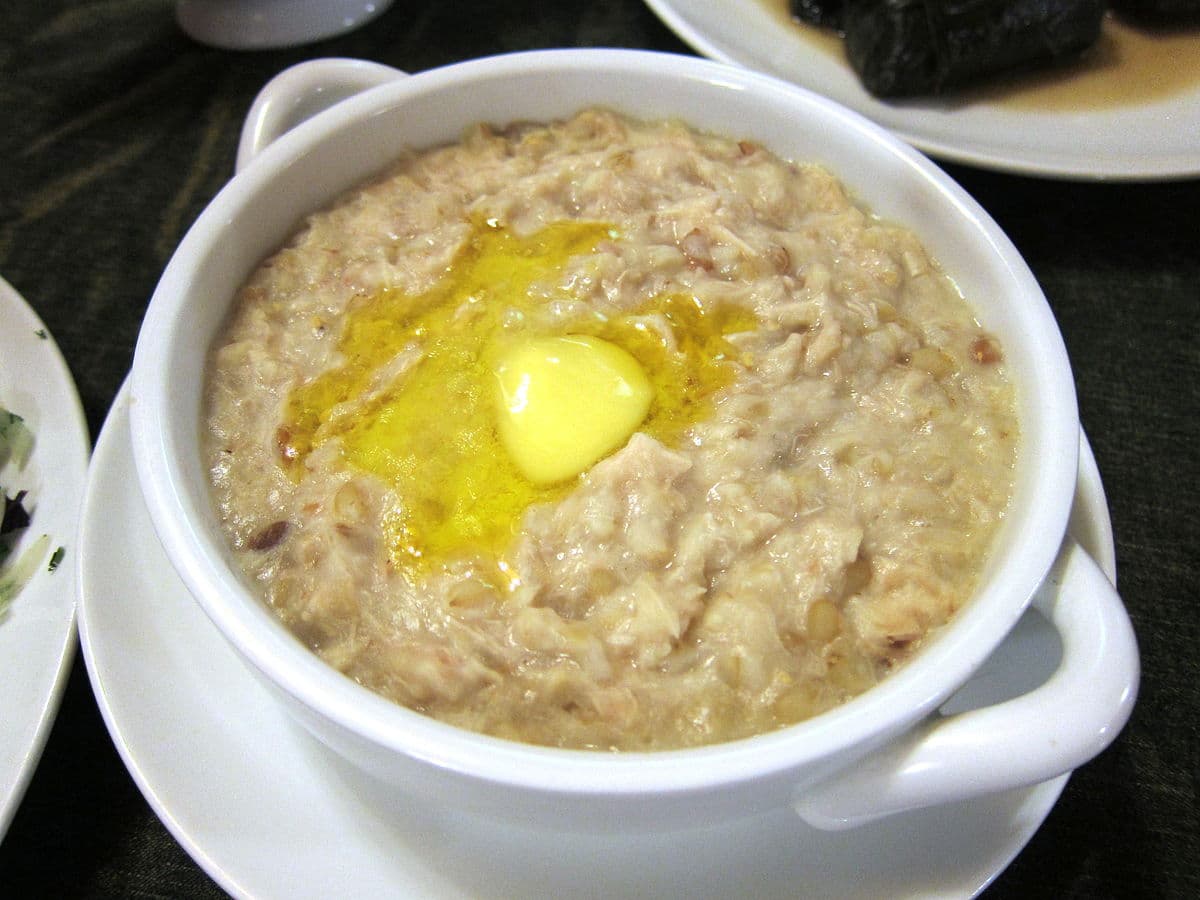
Harissa
Hearty wheat and chicken porridge, slow-cooked for hours and traditionally served on feast days.
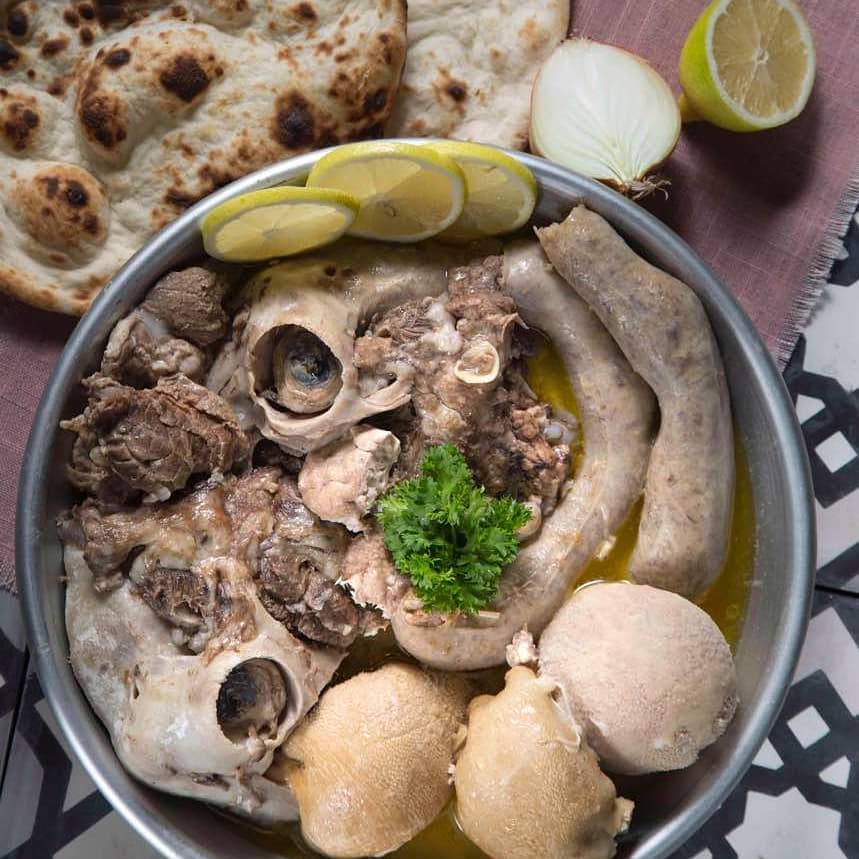
Pacha
Ceremonial slow-cooked dish of sheep head, trotters, and tripe, prepared for major family celebrations.
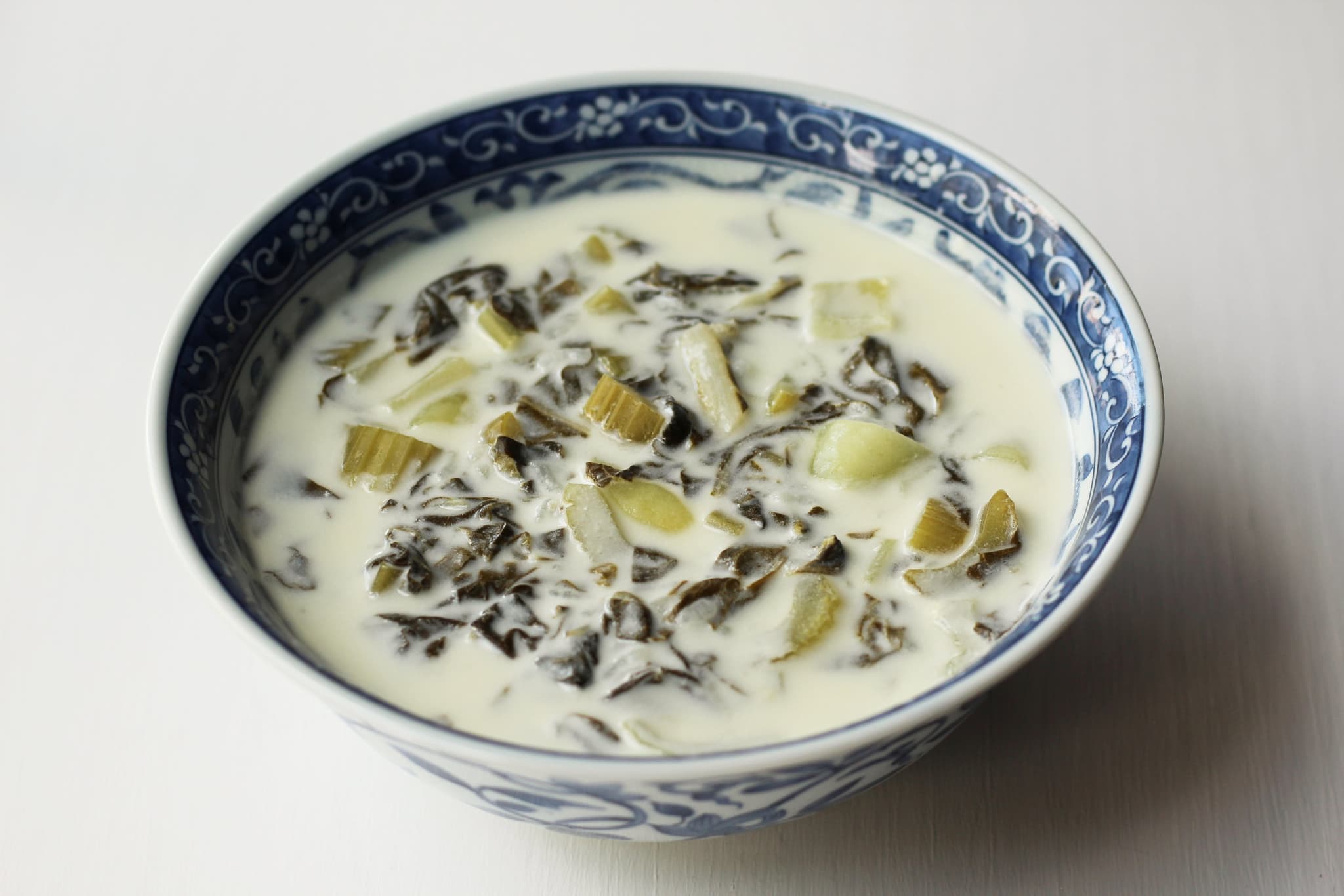
Booshala
Tangy yogurt soup with Swiss chard, rice, and herbs - a comforting Assyrian household staple.
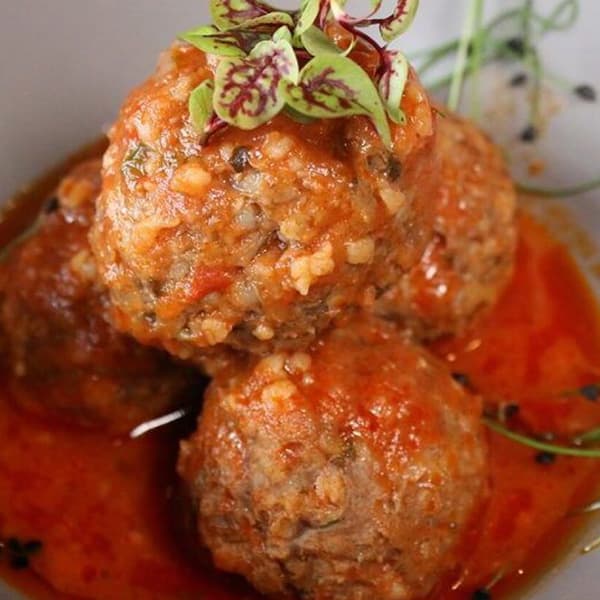
Kipteh
Assyrian-style meatball soup, gently spiced and simmered with fresh herbs and warming aromatics.

Kubbat Masta
Spiced meat-filled dumplings served in a warm yogurt sauce, rich with traditional Assyrian flavors.
Assyrian cuisine is a celebration of flavor, hospitality, and memory. Every dish carries the weight of family gatherings, festival days, and the warmth of community life. These recipes, passed from grandmother to grandchild, are edible connections to our ancestors and our homeland.
Community & Family Values
Language, faith, and tradition do not preserve themselves. They live in the rooms where Assyrian families gather - in kitchens, around dinner tables, in church halls and community centers. The final pillar of Assyrian identity is the social fabric that carries everything else forward
Strong Family Bonds
Family is the bedrock of Assyrian society. Multi-generational households are common, with grandparents, parents, and children sharing not just homes but also wisdom, traditions, and unconditional support.
Role of Churches
Churches serve as more than places of worship. They are community centers where Assyrians gather, children learn their language, and cultural identity is reinforced. Parish life provides spiritual guidance and social connection, especially in the diaspora.
Intergenerational Knowledge Transfer
The preservation of Assyrian culture relies on the passing of knowledge from one generation to the next. Grandparents teach grandchildren the language, share stories of the homeland, and demonstrate traditional crafts and cooking. This living transmission of culture ensures that ancient traditions remain vibrant in the modern world.