

Who Are Assyrians?
An indigenous people of Mesopotamia with over 6,700 years of continuous history, language, and Christian heritage
Assyrians are an indigenous ethnic group of the Middle East, with ancestral homelands across modern-day Iraq, Iran, Turkey, and Syria. They are the direct descendants of the ancient Assyrians and Mesopotamians, with a continuous presence in the region spanning over 6,700 years. Assyrians speak Assyrian Neo-Aramaic - a direct descendant of the language spoken by Jesus Christ - and are predominantly Christian, belonging to ancient apostolic churches including the Assyrian Church of the East, the Chaldean Catholic Church, and the Syriac Orthodox Church.
6,700+
Years of Continuous History
3-4 Million
People Worldwide
4
Ancestral Homeland Countries
3,000+
Years Speaking Aramaic
Identity & Heritage
Few peoples have survived what Assyrians have survived. Empires fell, borders redrew, populations scattered - and through all of it, the language, the faith, and the memory remained intact. Their roots trace back to ancient Mesopotamia, often called the "Cradle of Civilization."
The Assyrian identity today is defined by three inseparable pillars: their ancient Mesopotamian heritage, their Christian faith, and their unique language-Assyrian Neo-Aramaic, also known as Suret.
The Language of Jesus
Modern Assyrians speak Assyrian Neo-Aramaic (Suret, Sureth, Turoyo, and Chaldean), a direct descendant of the Aramaic language spoken by Jesus Christ. This connection to one of history's most significant languages is a source of immense cultural pride and religious significance.
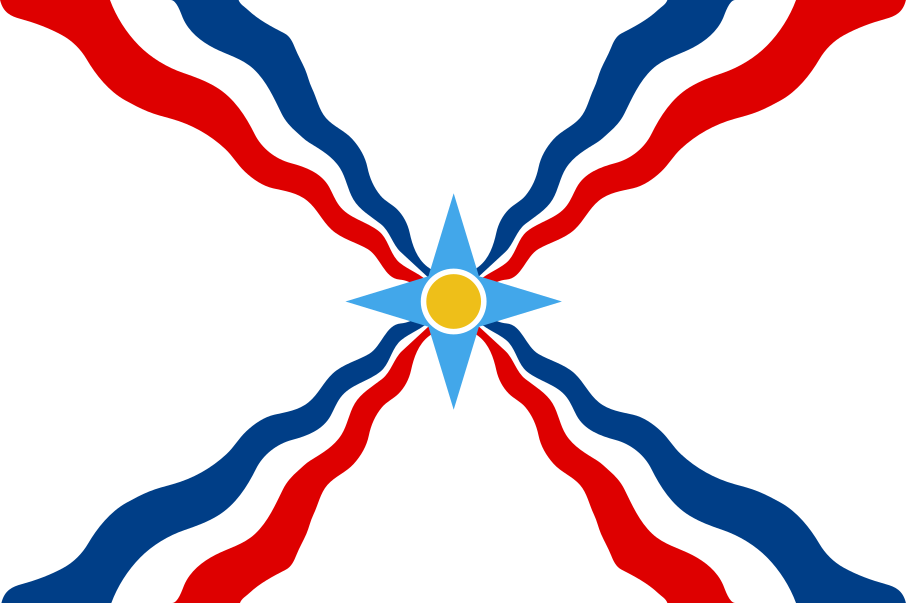
The Ancestral Homeland
Centered in northern Mesopotamia, between the Tigris and Euphrates rivers
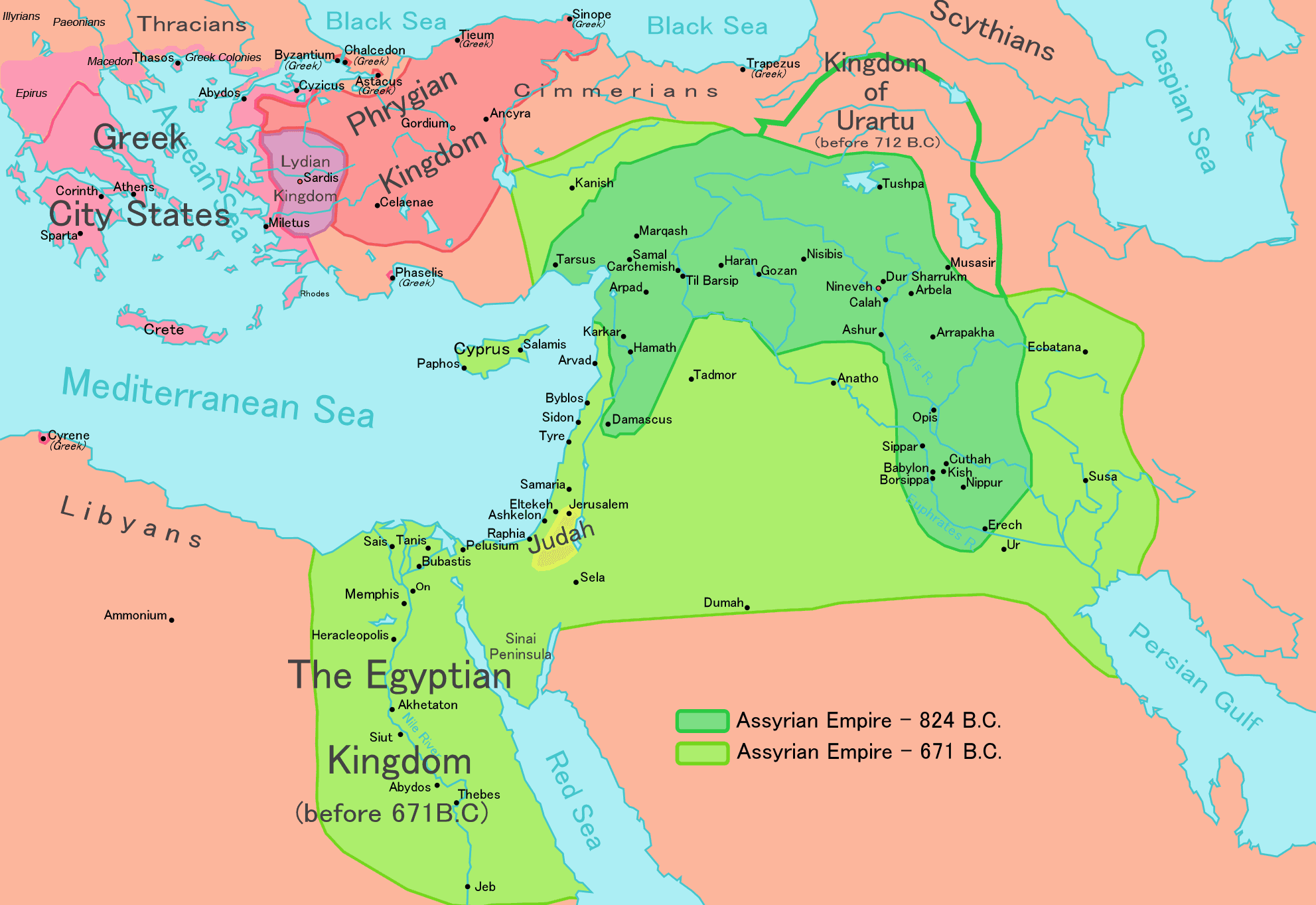
Modern Geography
Iraq
Nineveh Plains, Mosul, Erbil, Duhok
Syria
Al-Hasakah, Qamishli, Damascus
Turkey
Tur Abdin, Hakkari, Istanbul
Iran
Urmia, Tehran, Ahvaz
Historic Capitals
The ancient Assyrian civilization established magnificent cities that served as imperial capitals: Nineveh (near modern Mosul), Aššur (the original capital), Nimrud (Kalhu), and Dur-Sharrukin (Khorsabad). These cities were centers of culture, learning, and administration.
The Modern Assyrian Community
Global Population
Today, the Assyrian population is estimated to be between 3 and 4 million people. While a significant number still live in their ancestral lands, the majority now reside in diaspora communities worldwide.
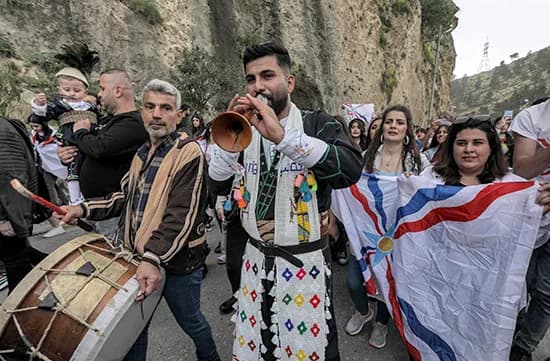
Church Denominations
Assyrian Church of the East
Ancient apostolic church dating to the 1st century, with major communities in Iraq, Iran, and the diaspora.
Chaldean Catholic Church
Eastern Catholic church in full communion with Rome, with the largest Assyrian Christian population in Iraq and a major presence in the U.S. (especially Detroit).
Syriac Orthodox Church
Oriental Orthodox tradition with deep roots in Tur Abdin (southeastern Turkey) and significant communities in Syria, Lebanon, and the diaspora.
Syriac Catholic Church
Eastern Catholic church with origins in the Syriac Orthodox tradition, in communion with Rome since the 17th century.
Protestant Denominations
A smaller but growing group of Evangelical and Reformed congregations across the diaspora, particularly in the United States and Australia.
Cultural Preservation Efforts
Assyrians are a stateless nation - yet six thousand years of language, faith, and memory have been preserved without a country to hold them. Churches teach the language. Community centers host the festivals. Schools pass down the script. Advocacy organizations keep the political case alive. The work is done by ordinary people, in ordinary places, every day.
Common Misconceptions
Understanding who Assyrians truly are
Answers
Are Assyrians the same as Syrians?
No - They Are Indigenous to Mesopotamia
While many Assyrians live in Syria today, they are not ethnically Syrian. Assyrians are an indigenous people of Mesopotamia with a documented presence dating back to at least 2600 BC - thousands of years before the modern nation-state of Syria existed. The similarity in names is coincidental; "Syria" and "Assyria" describe different regions and peoples.
Are Assyrians extinct?
No - A Living, Continuous People
The fall of the Assyrian Empire in 609 BC ended Assyrian political power, not the Assyrian people. Modern Assyrians are direct descendants of the ancient Assyrians, having maintained their language, faith, and cultural identity continuously for over 2,600 years since the empire's fall. Today, 3 to 4 million Assyrians live across their ancestral homelands and the global diaspora.
Are Assyrians Arabs?
No - A Distinct Semitic People
Although many Assyrians live in Arab-majority countries, they are a distinct ethnic group with their own language, culture, and Christian heritage that predates the Arab conquest of Mesopotamia by thousands of years. Assyrians speak Assyrian Neo-Aramaic, not Arabic, and their identity traces back over 6,700 years to the earliest civilizations of Mesopotamia.
Are Chaldeans and Assyrians different peoples?
No - One Ethnicity, Different Churches
Chaldeans and Assyrians share the same ethnic origin, ancestral homeland, language, and culture. The distinction is denominational, not ethnic: Chaldeans belong to the Chaldean Catholic Church, while other Assyrians belong to the Assyrian Church of the East, the Syriac Orthodox Church, or other denominations. All trace their heritage to ancient Mesopotamia and speak dialects of Neo-Aramaic.
Do Assyrians still speak their ancient language?
Yes - Aramaic Is Still Spoken Today
Assyrians continue to speak Neo-Aramaic, a direct descendant of the Aramaic language used across the ancient Near East - and the language spoken by Jesus Christ. Major living dialects include Suret (Sureth), Turoyo, and Chaldean Neo-Aramaic. The language remains active in homes, churches, schools, and media across both the homeland and the diaspora.
Are Assyrians a religion or an ethnicity?
An Ethnicity - Not a Religious Group
Assyrians are an ethnic group with a shared language, ancestry, culture, and 6,700-year history rooted in Mesopotamia. While the vast majority of Assyrians are Christian - belonging to denominations such as the Assyrian Church of the East, the Chaldean Catholic Church, and the Syriac Orthodox Church - Assyrian identity is defined by heritage, not by religious affiliation alone.